

financial services sector in Saudi Arabia

Financial Services sector in Saudi Arabia: A Complete Guide for Businesses and Investors 2026

Saudi Arabia has developed one of the Middle East’s most dynamic financial markets, supported by economic diversification, digital transformation, regulatory modernization, and the objectives of Saudi Vision 2030.

For businesses and investors, understanding the financial services sector in Saudi Arabia is essential when evaluating market-entry opportunities, raising capital, establishing financial operations, launching fintech products, or investing in the Kingdom.

The sector now extends far beyond traditional banking. It includes commercial and digital banking, financing, payments, fintech, capital markets, investment services, insurance, and other financial solutions.

This guide explains how the financial services industry in Saudi Arabia works, who regulates it, the major opportunities available to businesses and investors, and the key developments shaping the market in 2026.

What Are Financial Services in Saudi Arabia in 2026?

it encompass businesses and activities that help individuals and companies manage money, obtain financing, make payments, invest capital, manage financial risks, and access financial products.

The sector includes:

  • Commercial and digital banking
  • Corporate and business financing
  • Consumer and SME finance
  • Payment services
  • Fintech
  • Investment and asset management
  • Capital markets
  • Securities and brokerage services
  • Insurance and reinsurance
  • Financial technology and open banking
  • Foreign-exchange and related financial services

The sector is supervised through several regulatory frameworks, depending on the type of financial activity.

For companies considering entering the Saudi market, identifying the correct regulator and licensing requirements should be one of the first steps in the market-entry process.

Why this Services Sector Important?

Saudi Arabia’s financial sector plays a central role in the Kingdom’s economic transformation.

Under Vision 2030, the Kingdom has been working to develop a more diversified economy, strengthen private-sector participation, increase investment, encourage entrepreneurship, and expand digital financial services.

This has created opportunities across traditional financial services and emerging areas such as fintech, digital banking, electronic payments, open banking, and innovative financing.

The transformation is particularly visible in payments.

According to the Saudi Central Bank (SAMA), electronic payments represented 85% of total retail payments in 2025, compared with 79% in 2024. Electronic transactions reached 14.6 billion in 2025, up from 12.6 billion in 2024.

For investors and businesses, this shift demonstrates how rapidly consumer and commercial financial behavior is becoming digital.

Main Types of Financial Services

1. Banking Services

Banking remains one of the largest components of Saudi Arabia’s financial sector.

Banks provide services including:

  • Business accounts
  • Corporate banking
  • SME banking
  • Personal banking
  • Trade finance
  • Working-capital financing
  • Corporate lending
  • Treasury services
  • Foreign-exchange services
  • Digital banking
  • Payment and cash-management solutions

Saudi Arabia also has a growing digital-banking ecosystem.

In September 2025, SAMA announced the approval of a new digital bank, EZ Bank, with capital of SAR 2.5 billion. The approval brought the total number of licensed banks in the Kingdom to 39, comprising 15 Saudi banks and 24 foreign bank branches.

For investors, the growth of digital banking demonstrates the continuing transformation of the Kingdom’s banking infrastructure.

2. Fintech Services

Fintech is one of the most important growth areas within Saudi Arabia’s financial services industry.

Saudi fintech businesses operate across areas such as:

  • Digital payments
  • Payment gateways
  • Consumer finance
  • SME financing
  • Buy-now-pay-later services
  • Open banking
  • Account information services
  • Digital wallets
  • Financial management
  • Insurtech
  • Investment technology

SAMA’s annual fintech reporting specifically tracks areas including payments, financing, insurance, open banking, and the regulatory sandbox.

The Kingdom’s fintech strategy is designed to support its ambition of becoming a global fintech hub.

Open Banking Is Creating New Opportunities

Open banking is an especially important development for companies looking at Saudi Arabia’s financial technology market.

The Saudi Central Bank’s Open Banking Program allows customers to securely share financial information with third-party providers that can use this information to develop new financial products and services.

In March 2026, SAMA announced that it had begun licensing fintech companies to provide open-banking services following completion of the regulatory sandbox phase.

This creates potential opportunities for businesses working in:

  • Financial data infrastructure
  • Account-information services
  • Financial management platforms
  • Credit assessment
  • Embedded finance
  • SME financial solutions
  • Digital financial products

Businesses entering this space, however, need to assess licensing and regulatory requirements before launching their services.

3. Payment Services

Saudi Arabia has made significant progress toward a digital payments economy.

Payment services can include:

  • Point-of-sale payments
  • E-commerce payments
  • Payment gateways
  • Digital wallets
  • Account-to-account payments
  • Payment processing
  • Merchant acquiring
  • Electronic transfers

The rapid growth of electronic payments makes payments one of the most attractive areas for companies developing financial technology solutions.

The 2025 figure of 85% electronic retail payments is particularly significant because it demonstrates the scale of digital payment adoption in the Kingdom.

For businesses, this creates opportunities to build solutions around merchants, e-commerce, payment infrastructure, financial data, fraud prevention, and customer experiences.

4. Financing and Lending

Financing is another important component of Saudi Arabia’s financial services ecosystem.

Businesses can encounter financing solutions covering areas such as:

  • Corporate finance
  • SME finance
  • Consumer finance
  • Working capital
  • Asset finance
  • Leasing
  • Mortgage and real-estate finance
  • Microfinance
  • Fintech-enabled financing

SAMA continues to license companies across different financing activities.

For example, in April 2026, SAMA announced that the licensing of Tak Mal for financing brought the total number of finance companies to 72.

Companies planning to conduct regulated financing activities need to carefully assess the applicable licensing framework. SAMA’s licensing guidelines set out requirements for practicing finance and refinance activities under the Finance Companies Control Law and its implementing regulations.

5. Capital Markets and Investment Services

Saudi Arabia also has a sophisticated capital-market ecosystem.

Investment-related financial services can include:

  • Securities brokerage
  • Asset management
  • Investment funds
  • Investment banking
  • Portfolio management
  • Financial advisory
  • Securities offerings
  • Capital raising
  • Research and investment services

The Capital Market Authority (CMA) is the principal regulator of Saudi Arabia’s capital market. The CMA is an independent government organization responsible for regulating the capital-market sector.

For businesses and investors, understanding the distinction between SAMA-regulated financial activities and CMA-regulated capital-market activities is important before establishing operations.

6. Insurance Services

Insurance is another major part of Saudi Arabia’s financial services ecosystem.

Insurance services can cover:

  • Health insurance
  • Motor insurance
  • Property insurance
  • Business insurance
  • Liability insurance
  • Life and protection-related products
  • Reinsurance
  • Insurance brokerage
  • Insurtech

The Insurance Authority (IA) is responsible for regulating, supervising, and overseeing the insurance sector in Saudi Arabia. Its mandate includes supporting sector sustainability, protecting policyholders and beneficiaries, encouraging investment, and promoting innovation.

The regulatory environment continues to develop.

For example, in March 2026, the Insurance Authority approved licensing requirements for underwriting activities, including requirements concerning licensing, capital, professional liability insurance, governance, compliance, risk management, and qualified personnel.

For companies considering an insurance or insurtech business in Saudi Arabia, regulatory planning should therefore be incorporated into the business model from the beginning.

Who Regulates Financial Services

One of the most important considerations for companies entering the Saudi financial market is identifying the correct regulator.

Saudi Central Bank — SAMA

SAMA regulates and supervises important areas including:

  • Banking
  • Financing
  • Payment services
  • Certain fintech activities
  • Monetary and financial-system functions

SAMA also maintains information on licensed financial entities and regulated activities.

Capital Market pAuthority — CMA

The CMA regulates Saudi Arabia’s capital market and related activities, including authorized market institutions and securities-related services.

Insurance Authority — IA

The Insurance Authority regulates, supervises, and oversees the Kingdom’s insurance sector.

Why Regulatory Classification Matters

A business should not assume that every financial activity follows the same licensing process.

For example, a fintech company providing payment services may face a different regulatory pathway from an investment-management company, finance company, bank, or insurance intermediary.

Before investing in or launching a financial-services business in Saudi Arabia, companies should determine:

  1. What financial activity will be performed?
  2. Which regulator supervises that activity?
  3. Is a license required?
  4. What ownership and capital requirements apply?
  5. What governance and compliance requirements apply?
  6. What technology, cybersecurity, AML, and data requirements apply?
  7. Can the business operate through a local entity, partnership, or another permitted structure?

Saudi Arabia Financial Services Opportunities for Businesses and Investors

The transformation of Saudi Arabia’s financial sector is creating opportunities across both established and emerging financial services.

Fintech and Digital Finance

The expansion of digital payments, digital banking, open banking, and technology-enabled finance creates opportunities for technology companies and financial institutions.

Businesses may find opportunities in:

  • Payment infrastructure
  • Financial APIs
  • Open banking
  • Regtech
  • Compliance technology
  • Fraud detection
  • AI-enabled financial services
  • SME financial platforms
  • Embedded finance
  • Digital lending

SME Financial Services

Saudi Arabia’s continued development of the private sector creates demand for financial products designed around small and medium-sized businesses.

Potential opportunities include:

  • SME lending
  • Cash-flow management
  • Invoice financing
  • Business payments
  • Accounting integrations
  • Financial planning
  • Digital banking
  • Credit assessment

Digital Payments

The rapid adoption of electronic payments provides opportunities for businesses serving merchants, e-commerce companies, platforms, and consumers.

Insurtech

Insurance technology is another area to watch as regulators develop frameworks and digital services across the insurance ecosystem.

Investment and Capital Markets

Businesses requiring capital or investors seeking exposure to Saudi Arabia may also consider opportunities connected to capital markets, asset management, investment services, and financial technology.

What Makes Saudi Arabia Attractive to Financial Services Investors?

Several factors make Saudi Arabia an important market for financial-services businesses.

1. Large and Digitally Active Market

The rapid adoption of electronic payments demonstrates strong consumer and business acceptance of digital financial services.

2. Regulatory Development

Saudi regulators continue to develop frameworks for emerging financial technologies, including open banking and fintech.

3. Vision 2030

Financial-sector development forms an important part of the Kingdom’s broader economic-transformation agenda.

4. Growing Fintech Ecosystem

Saudi Arabia continues to develop its fintech ecosystem through licensing, regulatory sandboxes, innovation programs, and digital infrastructure.

5. Increasing Investor Interest

The combination of economic diversification, digital transformation, financial-sector development, and private-sector growth makes Saudi Arabia an increasingly important market for businesses evaluating expansion in the region.

How Can a Foreign Company Enter Saudi Arabia’s Financial Services Market?

Market entry should begin with regulatory and commercial analysis rather than simply establishing a company.

A typical assessment may include:

Step 1: Define the Financial Activity

Clearly identify exactly what the company intends to provide.

Step 2: Identify the Regulator

Determine whether the proposed activity falls under SAMA, CMA, the Insurance Authority, or another regulatory framework.

Step 3: Assess Licensing Requirements

Review applicable licensing, capital, ownership, governance, technology, compliance, and operational requirements.

Step 4: Develop the Saudi Market Strategy

Consider:

  • Target customers
  • Pricing
  • Local partnerships
  • Distribution
  • Technology infrastructure
  • Staffing
  • Compliance
  • Competition

Step 5: Establish the Appropriate Structure

Depending on the activity and investment strategy, the appropriate Saudi corporate and operational structure should be evaluated.

Step 6: Prepare for Regulatory Compliance

Financial-services companies typically require significantly stronger compliance planning than ordinary commercial businesses.

This can involve:

  • AML compliance
  • Customer due diligence
  • Risk management
  • Data protection
  • Cybersecurity
  • Governance
  • Reporting
  • Internal controls

Step 7: Launch and Scale

Once the regulatory and commercial foundations are established, the company can move toward operational launch and market expansion.

Key Financial Services Trends in Saudi Arabia in 2026

The Saudi financial sector is moving toward a more technology-driven and interconnected ecosystem.

Some of the most important trends include:

Digital payments: Electronic payments accounted for 85% of retail payments in 2025.

Open banking: SAMA has moved from the regulatory-sandbox phase toward licensing open-banking fintech providers.

Digital banking: The Kingdom continues to expand its digital-banking ecosystem, with 39 licensed banks reported following the approval of EZ Bank in 2025.

Fintech financing: SAMA continues to license fintech-enabled financing companies, including consumer-microfinance providers.

Insurance modernization: The Insurance Authority continues to introduce and develop regulatory frameworks for insurance activities, including underwriting.

Together, these developments point toward a financial sector increasingly shaped by digital infrastructure, regulation, data, innovation, and private-sector participation.

Challenges Businesses Should Consider

Saudi Arabia offers substantial opportunities, but financial services is a regulated industry.

Businesses and investors should consider several potential challenges.

Regulatory Complexity

Different financial activities can fall under different regulatory frameworks. Choosing the wrong regulatory pathway can create delays and additional costs.

Licensing

A business should confirm whether its planned activity requires authorization before marketing or providing financial services.

SAMA specifically warns businesses and consumers about unlicensed financial activities and recommends verifying that financial institutions are authorized by the relevant regulator.

Compliance

AML, risk management, governance, customer protection, cybersecurity, and data requirements can be significant depending on the activity.

Local Market Knowledge

Understanding Saudi customers, business practices, regulations, partnerships, and commercial expectations can make a major difference to market-entry success.

Why Businesses Should Plan Before Entering Saudi Arabia’s Financial Sector

Saudi Arabia’s financial-services market is attractive, but success depends on more than identifying a market opportunity.

A strong market-entry strategy should combine:

Commercial strategy + regulatory analysis + licensing strategy + local market knowledge + compliance + technology + execution.

This is particularly important for foreign companies, fintech businesses, investors, and organizations planning to offer regulated financial products.

FAQ

What are the main financial services in Saudi Arabia?

The main categories include banking, financing, payments, fintech, investment services, capital markets, insurance, and related financial technologies.

Who regulates financial services in Saudi Arabia?

Regulation depends on the activity. SAMA supervises important banking, financing, payments, and fintech activities; the CMA regulates the capital market; and the Insurance Authority regulates the insurance sector.

Is Saudi Arabia a good market for fintech companies?

Saudi Arabia has developed a significant fintech ecosystem supported by digital-payment adoption, regulatory initiatives, open banking, and Vision 2030. However, fintech businesses must determine the regulatory requirements applicable to their specific activities.

Are financial services in Saudi Arabia regulated?

Yes. Financial services are regulated, and businesses conducting regulated activities may need authorization or licensing from the relevant Saudi regulator.

Can foreign companies invest in Saudi Arabia’s financial sector?

Foreign investment opportunities can exist across different areas of the Saudi financial ecosystem, but eligibility, ownership, licensing, and regulatory requirements depend on the specific activity and business structure.

What is open banking in Saudi Arabia?

Open banking enables customers to securely share financial information with authorized third-party providers, allowing those providers to develop new financial products and services. SAMA’s Open Banking Program forms part of the Kingdom’s fintech-development strategy.

What are the biggest opportunities in Saudi financial services?

Important opportunity areas include fintech, digital payments, open banking, digital banking, SME finance, insurtech, financial infrastructure, and investment services.

Final Thoughts

The financial services sector in Saudi Arabia is undergoing a major transformation.

Traditional banking remains important, but the market is increasingly being shaped by fintech, digital payments, open banking, digital banking, innovative financing, capital markets, and insurance modernization.

For businesses and investors, the opportunity is significant—but entering the market successfully requires a clear understanding of both the commercial opportunity and the regulatory environment.

If you are considering entering the Saudi financial-services market, establishing a financial or fintech business, investing in the sector, or expanding your existing operations, professional market-entry and regulatory guidance can help you identify the right pathway and avoid costly mistakes.

Ready to explore the Saudi market? Contact our team to discuss your business requirements, market-entry strategy, and next steps.
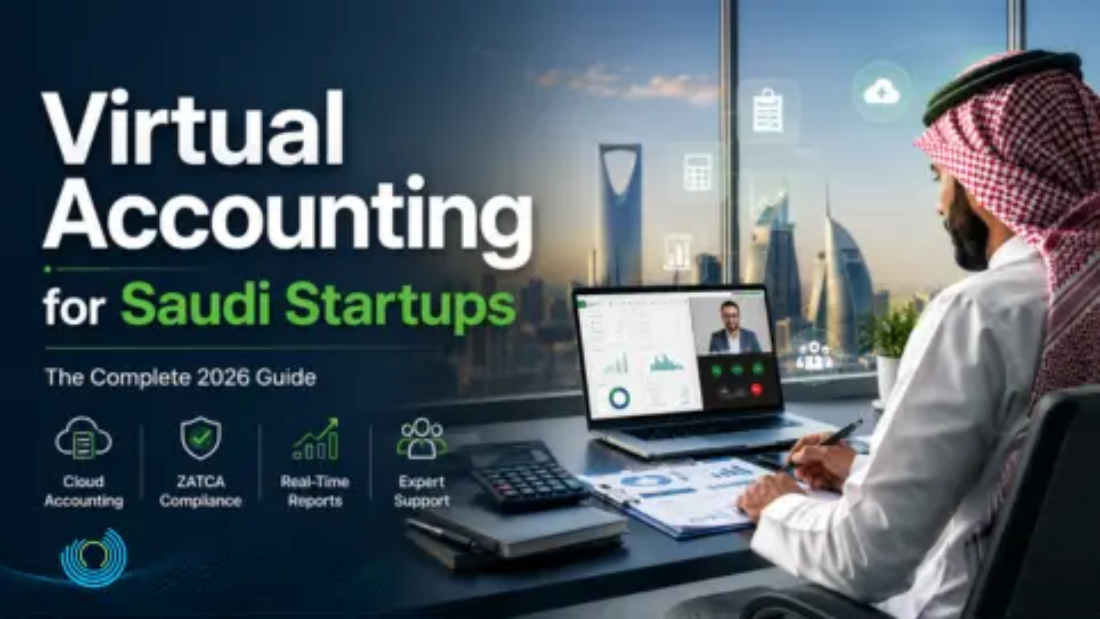
Virtual Accounting Partner in Saudi Arabia

Virtual Accounting for Saudi Startups Pros, Cons, and Best Practices 2026 Guide

Virtual accounting is rapidly becoming the default way Saudi startups manage their finances in 2026, combining cloud technology, remote expertise, and built-in ZATCA compliance at a fraction of traditional accounting costs. For founders juggling product, fundraising, and ever-evolving e‑invoicing rules, virtual accounting can cut finance overhead by more than half while giving investors and regulators the transparency they expect.keycmsaccounting+2

If you’re exploring your broader options for finance support, this guide sits within our full suite of Financial Solutions in Saudi Arabia, designed to help startups and SMEs stay compliant, investor-ready, and cash-flow positive.

This guide explains exactly what virtual accounting is, why it fits Saudi startups so well in 2026, the key pros and cons, and practical best practices to implement it correctly.

What Is Virtual Accounting?

Virtual accounting is the delivery of bookkeeping, tax, and reporting services by remote accountants using cloud-based software. Instead of hiring an in-house accountant, you work with a virtual team that logs into your accounting system, reconciles bank transactions, issues invoices, prepares VAT returns, and generates financial reports—entirely online.keycmsaccounting+2

How It Works in Practice

For a typical Saudi startup:

  • You use a cloud accounting platform (e.g., Qoyod, Wafeq, Zoho Books) that is ZATCA-compliant.lkwjd+1
  • A virtual accountant or firm accesses your system securely to handle day-to-day bookkeeping and VAT.
  • You get real-time dashboards and monthly reports for cash flow, profit and loss, and key metrics

This model is particularly powerful in Saudi Arabia, where e‑invoicing (Fatoora) and 15% VAT are mandatory for most VAT-registered businesses.

Why Virtual Accounting Makes Sense for Saudi Startups in 2026

Saudi Arabia’s startup ecosystem has grown dramatically, with Riyadh now ranked among the top emerging startup hubs globally, and funding volumes rising across sectors like fintech, SaaS, and e‑commerce. That growth comes with more financial complexity and tighter regulatory scrutiny.

ZATCA and E‑Invoicing: The Compliance Pressure

ZATCA’s Phase 2 e‑invoicing rules require many startups to integrate their invoicing systems directly with the Fatoora platform. Waves announced in 2025 and 2026 target taxpayers with revenues over SAR 375,000–750,000 in earlier years, obliging them to comply by specific deadlines

For an early-stage founder, building this capability in-house is expensive and time-consuming. Virtual accounting providers focused on Saudi Arabia already bundle these requirements into their offerings.

If you’re still evaluating which finance model fits your business, our Financial Solutions in Saudi Arabia page outlines alternatives—from traditional accounting firms to fractional CFO and full-service finance outsourcing.

Pros of Virtual Accounting for Saudi Startups

1. Lower Cost Than Hiring In-House

Hiring a full-time accountant in Saudi Arabia often means a total monthly cost (salary, benefits, office, software) in the SAR 8,000–12,000 range. By contrast, many virtual accounting services for startups charge roughly SAR 1,000–3,000 per month, including software and ZATCA-ready workflows.

This can cut finance overhead by well over 50%, which is significant for pre-seed and seed stage startups trying to extend runway.

2. Built-In ZATCA E‑Invoicing Compliance

Virtual accounting firms that focus on Saudi businesses typically:

  • Use ZATCA-approved or ZATCA-integrated software solutions.
  • Implement Phase 2 integration with Fatoora (API connectivity, cryptographic stamping, QR codes).
  • Configure systems to meet mandatory invoice fields, Arabic-language requirements, and retention rules.

This removes a major technical burden from founders and reduces the risk of non-compliance fines.

3. Access to Specialized Expertise

Virtual accounting providers usually serve dozens or hundreds of startups, so they accumulate:

  • Pattern knowledge of common issues in SaaS, e‑commerce, and F&B.my-cpe+1
  • Experience with VAT, zakat, and cross-border transactions under Saudi rules.
  • Familiarity with investor expectations around reporting and due diligence.

Instead of relying on a single generalist accountant, you tap into a broader team and system of best practices.

4. Real-Time Visibility and Better Decisions

Cloud platforms used in virtual accounting provide:

  • Live revenue, expenses, and cash balance dashboards.
  • Regular profit and loss, balance sheet, and cash flow statements.
  • Optional KPIs and forecasts for planning fundraising and runway.

This helps founders answer questions like “Can we afford this hire?” or “How many months of runway do we have?” based on current data rather than outdated spreadsheets.

5. Easy Scalability

As your startup grows, you can upgrade your virtual accounting plan:

  • Start with basic bookkeeping + VAT.
  • Add management reporting and budgeting at Series A.
  • Layer in virtual CFO services for board reporting and fundraising at later stages.

No recruitment cycles, visas, or large fixed overhead—just a tier upgrade.

Cons and Risks of Virtual Accounting

Virtual accounting is not perfect. Understanding the downsides helps you plan around them.

1. Dependence on Internet and Cloud Tools

If your internet goes down, you temporarily lose access to your accounting system and dashboards

Mitigation strategies include:

  • Maintaining redundant connections (e.g., fiber plus 5G).
  • Using platforms with mobile apps and limited offline capabilities.
  • Downloading key reports monthly for offline storage.

2. Learning Curve for New Software

Switching from Excel or older desktop systems to modern cloud accounting requires training. Founders and finance staff may need a few weeks to adapt.my-cpe+1

Choosing providers that offer guided onboarding, tutorials, and Arabic-language support can significantly reduce this friction.

3. Less Face-to-Face Interaction

Some founders prefer sitting in a room with their accountant to discuss sensitive topics. With virtual accounting, most communication happens via email, chat, or video calls.invedus+1

You can offset this by:

  • Scheduling monthly video meetings for deeper discussions.
  • Choosing Saudi-based providers who understand local context and can meet in person when needed.

4. Cybersecurity Concerns

Any cloud-based system carries cybersecurity risks. While reputable providers use encryption and access controls, founders still worry about data breaches.

Best practice is to:

  • Select platforms with ISO 27001/SOC 2-level security.
  • Enable multi-factor authentication and strong password policies.
  • Regularly review user access rights and audit logs.

Best Practices for Implementing Virtual Accounting in Saudi Startups

1. Map Your Needs Before You Choose a Provider

List out:

  • Monthly transaction volume (invoices, expenses, payroll).
  • Your current software and what frustrates you about it.
  • Your ZATCA status (Phase 1 in place, Phase 2 deadline).
  • Desired reporting frequency and detail.

This will help you avoid overbuying advanced features you won’t use at your stage.

2. Prioritize ZATCA-Compliant Systems

Ensure your chosen provider uses software that:

  • Is listed or recognized as a ZATCA-compliant solution.
  • Supports Fatoora integration for Phase 2 (API, cryptographic controls, QR).
  • Handles Arabic invoicing and long-term archiving.

Ask for a live demo showing a test invoice going through Fatoora end-to-end.

3. Pick the Right Software Stack

For many Saudi startups in 2026:

  • Qoyod and Wafeq are strong choices at early stages due to ZATCA-native support and Arabic interfaces
  • Zoho Books, Odoo, or QuickBooks work well when you need more integrations and complex workflows.

Your virtual accounting provider will usually recommend and configure the stack, but you should understand why a specific tool fits your model.

4. Invest in Clean Data Migration

A messy migration can haunt you for years. Work with your provider to:

  • Export and clean historical data from previous systems
  • Reconcile bank accounts so opening balances are correct.
  • Ensure customers, vendors, and charts of accounts are set up logically.

Once you go live, you want to trust your numbers.

5. Set Clear Expectations and SLAs

Define:

  • How quickly your accountants respond to queries
  • When monthly reports are delivered
  • How VAT returns and payments are handled.

Putting this into a written Service Level Agreement avoids ambiguity later.

6. Maintain Internal Controls

Outsourcing accounting doesn’t mean outsourcing responsibility. Maintain:

  • Approval workflows for expenses and payments above certain thresholds.
  • Regular finance reviews (e.g., monthly P&L and cash flow meetings).
  • Clear separation of duties between those approving payments and those recording them.

This protects against fraud and mistakes while showing investors you take governance seriously.

Choosing a Virtual Accounting Partner in Saudi Arabia

When evaluating providers, consider:

  • Local presence and focus: Saudi-based firms like Grow Accounting and Erad focus specifically on KSA regulations and startups.
  • Service scope: Some firms offer bookkeeping only; others add VAT, zakat, payroll, and virtual CFO services.
  • Industry fit: Look for experience with your sector (e.g., SaaS, e‑commerce, restaurants).

Ask potential partners:

  1. Which accounting software do you use for Saudi startups, and why?lkwjd+1
  2. How do you handle ZATCA Phase 2 integration and updates?
  3. What reports and KPIs do you provide monthly by default?
  4. Can you share anonymous case studies for similar clients?

You’re buying not just bookkeeping, but peace of mind around compliance and investor readiness.

When Virtual Accounting Might Not Be Enough

Virtual accounting is ideal for most early and growth-stage startups, but there are exceptions:

  • Highly complex group structures with multiple entities and jurisdictions may need a dedicated in-house finance team.
  • Very high transaction volumes might require bespoke systems and onsite staff for operational reasons.
  • Founders with strong finance backgrounds may prefer to keep more work internal until scale justifies outsourcing.

In these cases, a hybrid model internal finance lead plus external virtual accountants or virtual CFO can work well. For more on structuring your finance function, see our Financial Solutions in Saudi Arabia overview, which compares virtual accounting, fractional CFO, and full-service finance outsourcing.

Key Takeaways

  • Virtual accounting delivers professional bookkeeping, VAT, and reporting remotely via cloud platforms, which fits Saudi startups’ digital-first reality.keycmsaccounting+1
  • ZATCA’s Phase 2 e‑invoicing requirements make compliant systems a necessity, and virtual accounting providers usually build this in.
  • Compared with in-house hiring, virtual accounting can reduce monthly finance costs by 50% or more, freeing cash for growth
  • Success depends on choosing ZATCA-compliant tools, cleaning data during migration, setting clear SLAs, and maintaining internal controls.
  • For most Saudi startups in 2026, virtual accounting is not just a cost-saving option—it’s a practical way to stay compliant, impress investors, and manage cash intelligently.
blog

ERP Solutions in Saudi Arabia: The Complete Guide to Digital Business Transformation in 2026.

Saudi Arabia is experiencing a rapid digital transformation driven by Vision 2030, encouraging businesses to adopt smarter technologies that improve efficiency and productivity. One of the most effective investments organizations can make is implementing ERP Solutions in Saudi Arabia. Whether you’re a startup, SME, or large enterprise, choosing the right ERP Solution Service in Saudi Arabia can help streamline operations, automate workflows, improve decision-making, and ensure compliance with local regulations.

From finance and human resources to inventory, procurement, and customer relationship management, ERP systems integrate every business process into one centralized platform. This guide explains everything you need to know about selecting the best ERP solution for your business.

What Are ERP Solutions?

Enterprise Resource Planning (ERP) is integrated business management software that connects multiple business functions into one centralized system.

Instead of managing separate software for accounting, inventory, HR, procurement, sales, and customer management, ERP combines everything into a unified platform.

A modern ERP solution helps businesses:

  • Manage finances
  • Track inventory
  • Automate procurement
  • Monitor sales
  • Handle payroll
  • Improve customer relationships
  • Generate real-time reports
  • Ensure regulatory compliance

Why Choose a Professional ERP Solution Service in Saudi Arabia?

Selecting a trusted ERP Solution Service in Saudi Arabia is just as important as choosing the software itself. A professional ERP service provider helps businesses plan, implement, customize, and maintain ERP systems that align with their operational goals.

An experienced ERP partner offers:

  • Business process analysis
  • ERP consulting
  • Software customization
  • Data migration
  • System integration
  • Employee training
  • Technical support
  • ERP upgrades and maintenance

By working with an experienced ERP implementation partner, businesses can reduce deployment risks, improve user adoption, and maximize return on investment.

Why ERP Solutions Are Growing in Saudi Arabia

Saudi Arabia’s digital economy is expanding rapidly due to:

  • Vision 2030 initiatives
  • Government digital transformation programs
  • Growing SMEs
  • Cloud technology adoption
  • AI-powered business automation
  • Increasing compliance requirements
  • Expansion of e-commerce

Businesses need accurate data, automation, and real-time visibility to compete effectively.

Whether your organization operates in manufacturing, retail, healthcare, construction, logistics, or professional services, partnering with a reliable ERP Solution Service in Saudi Arabia ensures a smooth implementation process and long-term business success. Modern ERP platforms help businesses automate repetitive tasks, improve collaboration, increase operational efficiency, and gain valuable insights through real-time analytics. 

Final Thoughts

As Saudi Arabia continues its digital transformation journey, ERP solutions have become a strategic investment for businesses seeking efficiency, scalability, and long-term growth. From finance and HR to inventory, procurement, and customer management, a well-implemented ERP system provides the visibility and automation needed to thrive in a competitive market.

Choosing the right ERP solution means aligning the software with your industry, business goals, and future expansion plans. Organizations that invest in ERP today will be better positioned to innovate, improve operational performance, and support sustainable growth in the years ahead.

At Elite Fin Solution, we provide tailored ERP solution services in Saudi Arabia designed to meet the unique needs of businesses across industries. From ERP consulting and implementation to customization, integration, training, and ongoing support, our team is committed to delivering solutions that drive measurable results.

Take the next step in your digital transformation journey. Visit Elite Fin Solution to learn more about our ERP services or contact our experts for a personalized consultation and discover how we can help your business achieve greater efficiency, scalability, and long-term success.

Accounting and Financial Services Saudi Arabia

Accounting and Financial Services Saudi Arabia: Everything Your Business Needs to Know

Running a successful business requires more than offering great products or services. Strong financial management is the foundation of long-term success, especially in Saudi Arabia’s rapidly evolving business environment. Whether you are launching a startup, managing a growing SME, or operating a large corporation, professional accounting and financial services Saudi Arabia can help you maintain compliance, improve profitability, and make informed business decisions.

With Saudi Arabia’s Vision 2030 driving economic diversification and digital transformation, businesses must adapt to changing regulations, tax requirements, and financial reporting standards. Partnering with experienced financial professionals enables organizations to focus on growth while ensuring their financial operations remain accurate and compliant.

What Are Accounting and Financial Services?

Accounting and financial services include a broad range of professional solutions designed to help businesses manage their financial activities effectively.

These services typically include:

  • Bookkeeping
  • Financial reporting
  • Tax planning and compliance
  • VAT registration and filing
  • Corporate tax advisory
  • Payroll management
  • Budget planning
  • Cash flow management
  • Internal auditing
  • Business financial consulting
  • Financial forecasting
  • Risk management

Together, these services provide businesses with accurate financial information that supports smarter decision-making.

Why Businesses in Saudi Arabia Need Professional Accounting Services

Saudi Arabia has become one of the Middle East’s most attractive investment destinations. However, operating a business also means complying with evolving financial regulations.

Professional accounting services help businesses:

1. Maintain Regulatory Compliance

Accurate accounting ensures your business meets financial reporting requirements while complying with Saudi tax regulations.

2. Improve Cash Flow

Understanding where money comes from and where it goes helps businesses maintain healthy cash flow and avoid unnecessary financial stress.

3. Support Better Decision-Making

Financial reports provide valuable insights into profitability, expenses, operational efficiency, and future opportunities.

4. Save Time

Outsourcing accounting allows business owners to focus on sales, operations, and customer satisfaction instead of paperwork.

5. Reduce Financial Risks

Professional accountants identify errors, prevent costly mistakes, and improve financial controls.

Key Accounting and Financial Services Every Business Should Consider

Bookkeeping Services

Bookkeeping is the foundation of an efficient accounting system, ensuring every financial transaction is accurately recorded. 

It includes:

  • Recording daily transactions
  • Managing invoices
  • Tracking expenses
  • Bank reconciliation
  • Accounts payable
  • Accounts receivable

Accurate bookkeeping ensures reliable financial reports.

Financial Reporting

Regular financial statements provide a clear picture of business performance.

Common reports include:

  • Profit and Loss Statement
  • Balance Sheet
  • Cash Flow Statement
  • Trial Balance

These reports help business owners understand profitability and financial health.

VAT Services

Saudi businesses registered for VAT must maintain proper records and submit accurate returns on time.

Professional VAT services include:

  • VAT Registration
  • VAT Return Filing
  • VAT Advisory
  • VAT Compliance Reviews
  • VAT Audit Support

Payroll Management

Payroll involves much more than calculating salaries.

Professional payroll services cover:

  • Employee salary processing
  • Leave calculations
  • Overtime
  • Payroll reporting
  • WPS support (where applicable)
  • Employee benefit calculations

Financial Consulting

Financial consultants help businesses:

  • Increase profitability
  • Reduce unnecessary expenses
  • Improve budgeting
  • Manage investments
  • Plan business expansion

Benefits of Outsourcing Accounting and Financial Services in Saudi Arabia

Many businesses now outsource accounting rather than hiring full-time finance teams.

The advantages include:

Cost Savings

Outsourcing eliminates recruitment, training, and infrastructure costs.

Access to Experts

Professional accounting firms employ specialists with expertise in taxation, financial reporting, payroll, and compliance.

Improved Accuracy

Experienced accountants reduce reporting errors that could lead to penalties.

Better Technology

Most firms use modern accounting software that provides accurate, real-time financial data.

Scalability

As your business grows, outsourced accounting services can easily scale with your needs.

How Accounting Supports Business Growth

Financial data isn’t just for compliance—it supports strategic decision-making.

Businesses that maintain accurate financial records can:

  • Plan future investments
  • Improve budgeting
  • Forecast revenue
  • Secure business financing
  • Evaluate profitability
  • Reduce operational costs

Reliable accounting transforms financial data into actionable business insights.

Choosing the Right Accounting Partner in Saudi Arabia

Selecting the right accounting provider is a critical business decision.

Look for a company that offers:

  • Industry experience
  • Transparent pricing
  • Certified accounting professionals
  • Digital accounting solutions
  • Tax expertise
  • Personalized financial consulting
  • Fast response times
  • Long-term support

A trusted accounting partner becomes an extension of your business rather than simply a service provider.

Why Elite Fin Solution?

At Elite Fin Solution, we provide comprehensive accounting and financial services in Saudi Arabia tailored to startups, SMEs, and established enterprises.

Our services include:

  • Professional bookkeeping
  • Financial reporting
  • VAT support
  • Payroll management
  • Financial consulting
  • Business advisory
  • Tax planning
  • Corporate financial solutions

We focus on delivering accurate financial information, ensuring regulatory compliance, and helping businesses make confident financial decisions.

Learn more about our Accounting Services

Need expert business guidance? Visit our Financial Consulting Services

Frequently Asked Questions

What are accounting and financial services?

Accounting and financial services help businesses manage bookkeeping, tax compliance, payroll, budgeting, reporting, and financial planning to improve business performance.

The Importance of Accounting Services in Saudi Arabia 

Professional accounting ensures businesses comply with local regulations, maintain accurate financial records, improve cash flow, and support informed decision making.

Can small businesses benefit from outsourced accounting?

Yes. Outsourced accounting provides expert financial support without the cost of maintaining a full in-house finance department.

What industries require accounting services?

Professional accounting services add value across businesses of all sizes and sectors. Whether you operate in retail, construction, healthcare, manufacturing, hospitality, logistics, technology, real estate, e-commerce, or professional services, effective financial management supports regulatory compliance, improves operational efficiency, and provides the insights needed to make confident business decisions. 

How often should financial reports be prepared?

Most businesses review financial reports monthly, while quarterly and annual reports are essential for strategic planning and compliance.

Final Thoughts

In today’s competitive Saudi business landscape, financial accuracy is no longer just an administrative requirement it’s a strategic advantage. From maintaining compliant financial records to improving cash flow and supporting informed business decisions, professional accounting services play a vital role in building a resilient and scalable organization.

At Elite Fin Solution, we work alongside businesses to simplify complex financial processes through practical, transparent, and results-driven accounting solutions. Whether you’re establishing a new company, expanding operations, or looking to improve your financial performance, our team delivers tailored support that aligns with your business goals and the latest regulatory requirements in Saudi Arabia.

When your finances are managed with precision, you gain more than compliant records you gain the confidence to make smarter decisions, seize new opportunities, and drive sustainable business growth.

Professional Financial Solutions in Saudi Arabia

Why Saudi Businesses Need Professional Financial Solutions to Scale Faster

Saudi Arabia is undergoing one of the world’s most significant economic transformations. As businesses expand beyond traditional markets and adapt to new regulations, digital technologies, and competitive pressures, financial management has become more strategic than ever.

Whether you’re launching a startup, managing an SME, or leading a large enterprise, having access to professional financial solutions in Saudi Arabia is no longer just an advantage—it’s a necessity. Businesses that invest in expert financial guidance are better equipped to improve profitability, manage risks, secure funding, and achieve long-term, sustainable growth.

In this article, we’ll explore why professional financial solutions matter and how they can help Saudi businesses scale with confidence.

Understanding Professional Financial Solutions

Professional financial solutions go beyond bookkeeping or accounting. They encompass a wide range of strategic services designed to strengthen a company’s financial health and support informed decision-making.

These solutions may include:

  • Financial planning and budgeting
  • Cash flow management
  • Business funding support
  • Financial reporting and analysis
  • Risk management
  • Cost optimization
  • Business performance evaluation
  • Financial advisory services

The objective is to provide businesses with the financial clarity needed to make confident decisions while preparing for future growth.

How Financial Expertise Fuels Business Success in Saudi Arabia 

As businesses expand, financial complexity increases. Growing organizations often face challenges;

  • Managing operational expenses
  • Maintaining healthy cash flow
  • Funding expansion projects
  • Hiring skilled employees
  • Investing in technology
  • Meeting regulatory requirements
  • Controlling financial risks

Without a structured financial strategy, these challenges can slow growth and reduce profitability.

Professional financial experts help businesses develop systems that support sustainable expansion rather than reactive decision-making.

Benefits of Professional Financial Solutions for Saudi Businesses

1. Better Cash Flow Management

Cash flow remains one of the most important indicators of business health.

Professional financial consultants help businesses:

  • Monitor incoming and outgoing cash
  • Improve payment cycles
  • Reduce unnecessary expenses
  • Forecast future cash requirements
  • Maintain sufficient working capital

Healthy cash flow enables businesses to operate confidently and seize new opportunities.

2. Smarter Business Decisions

Many businesses rely on intuition when making financial decisions.

Professional financial solutions replace guesswork with:

  • Financial reports
  • Business analytics
  • Profitability analysis
  • Cost forecasting
  • Performance indicators

These insights enable business leaders to make informed strategic decisions.

3. Easier Access to Business Funding

Expanding businesses often require additional capital.

Financial professionals assist by:

  • Preparing financial statements
  • Improving business financial health
  • Developing funding strategies
  • Supporting loan applications
  • Presenting accurate financial projections

A well-prepared financial profile increases credibility with lenders and investors.

4. Improved Cost Control

Many businesses lose money through inefficient spending.

Professional financial advisors identify opportunities to:

  • Reduce operational costs
  • Improve resource allocation
  • Eliminate unnecessary expenses
  • Increase operational efficiency

Even small improvements in cost management can significantly improve profitability over time.

5. Better Risk Management

Every business faces financial risks, including:

  • Market fluctuations
  • Rising operational costs
  • Delayed customer payments
  • Economic uncertainty
  • Compliance challenges

Professional financial planning helps businesses identify potential risks early and develop strategies to minimize their impact.

Supporting Business Growth Under Saudi Vision 2030

Saudi Arabia’s Vision 2030 continues to create new opportunities for businesses across industries, including technology, manufacturing, healthcare, logistics, tourism, and professional services.

As competition increases, businesses need strong financial foundations to:

  • Expand operations
  • Invest in innovation
  • Enter new markets
  • Improve operational efficiency
  • Attract investors
  • Build long-term resilience

Professional financial solutions help businesses align their financial strategies with these evolving opportunities.

How Financial Solutions Benefit Different Industries

Professional financial services are valuable across a wide range of sectors, including:

Construction Companies

  • Project budgeting
  • Cost tracking
  • Cash flow forecasting

Manufacturing Businesses

  • Inventory financing
  • Production cost optimization
  • Capital investment planning

Retail Businesses

  • Sales forecasting
  • Inventory management
  • Profit margin analysis

Logistics Companies

  • Fleet financing
  • Operational budgeting
  • Expense management

Healthcare Providers

  • Revenue management
  • Equipment financing
  • Financial planning

Each industry has unique financial challenges, making tailored financial strategies essential for sustainable growth.

Signs Your Business Needs Professional Financial Support

Your business may benefit from expert financial guidance if you experience:

  • Inconsistent cash flow
  • Declining profit margins
  • Difficulty securing funding
  • Rapid business growth
  • Increasing operational costs
  • Limited financial reporting
  • Uncertainty in strategic planning

Addressing these challenges early can prevent larger financial issues in the future.

Choosing the Right Financial Solutions Partner

When selecting a financial partner, consider the following:

  • Experience working with Saudi businesses
  • Industry-specific expertise
  • Transparent communication
  • Customized financial strategies
  • Strong analytical capabilities
  • Commitment to long-term partnerships

A reliable financial partner should understand your business objectives and provide solutions tailored to your growth plans.

Why Choose Elite Fin Solution?

At Elite Fin Solution, we understand that every business has unique financial goals and challenges. Our team works closely with clients to deliver customized financial solutions that improve performance, optimize cash flow, and support sustainable business growth.

Our services focus on helping businesses:

  • Strengthen financial planning
  • Improve operational efficiency
  • Manage financial risks
  • Support funding requirements
  • Build long-term financial stability

Whether you’re a startup or an established enterprise, we provide practical financial strategies designed to help your business grow with confidence.

Frequently Asked Questions

What are professional financial solutions?

Professional financial solutions include services such as financial planning, cash flow management, budgeting, financial reporting, business funding support, and strategic financial advisory.

Why do businesses need financial consulting?

Financial consulting helps businesses improve profitability, manage risks, optimize operations, and make informed financial decisions that support long-term growth.

How can financial solutions improve business performance?

By providing accurate financial insights, improving cash flow, controlling costs, and supporting strategic planning, professional financial solutions help businesses operate more efficiently and grow sustainably.

Are financial solutions suitable for small businesses?

Yes. Small and medium-sized businesses often benefit significantly from professional financial guidance, especially during periods of growth, expansion, or investment.

Conclusion

In today’s competitive business environment, financial success depends on more than simply managing numbers. It requires strategic planning, accurate insights, disciplined execution, and the ability to adapt to changing market conditions.

Professional Financial Solutions in Saudi Arabia empower businesses to strengthen cash flow, reduce financial risks, secure funding, improve profitability, and scale with confidence. By partnering with experienced financial professionals, organizations can build a solid foundation for sustainable growth and long-term success.

If your business is looking to achieve stronger financial performance and unlock new growth opportunities, Elite Fin Solution is ready to help you navigate the journey with expert guidance and tailored financial strategies.